The Gaudí Palace of Astorga, one of Antoni Gaudí's most unique works outside Catalonia
Updated on
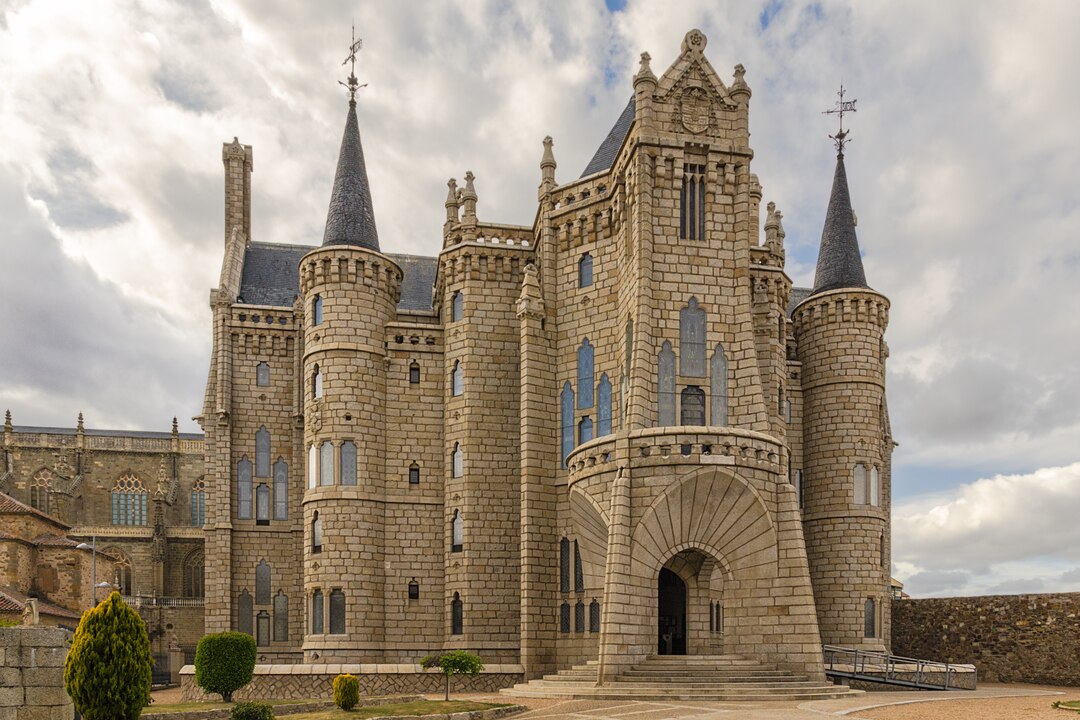
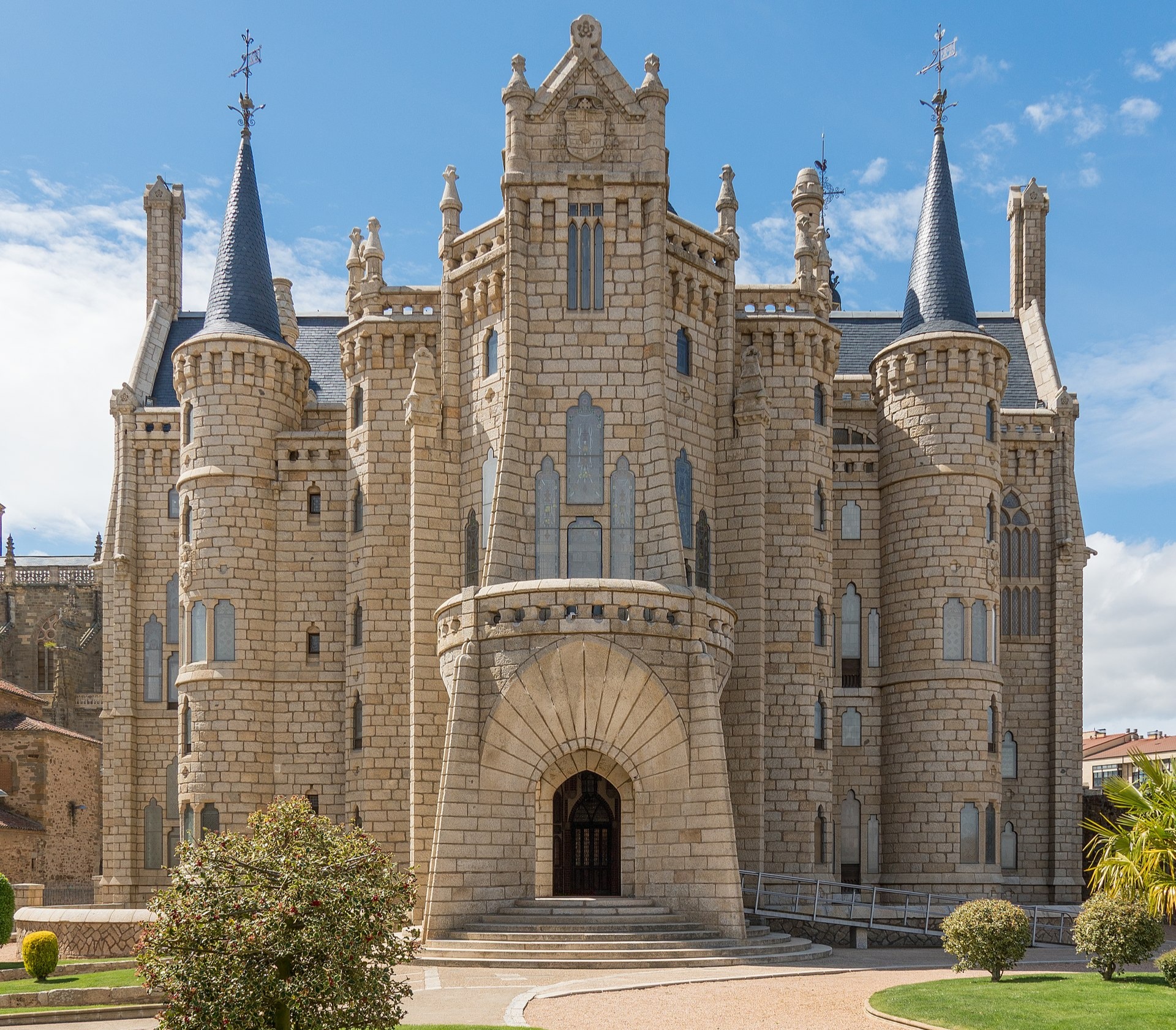
The Gaudí Palace, officially the Episcopal Palace of Astorga, is one of Antoni Gaudí's most distinctive works outside Catalonia. Conceived as a residence for the Bishop of Astorga after the fire that destroyed the previous palace in 1886, the building combines Neo-Gothic aesthetics, medieval inspiration and innovative structural solutions characteristic of the architect. Today it houses the Museum of the Camino, integrating art, history and spirituality along the Camino de Santiago.
Where is the Gaudí Palace located?
It stands in Plaza Eduardo de Castro, in the historic centre of Astorga (León), next to the Cathedral. Its strategic location makes it one of the first landmarks visitors encounter upon reaching the old town.
When and how was it built?
After the fire that destroyed the previous episcopal palace in 1886, Bishop Joan Baptista Grau —a personal friend of Gaudí— commissioned the project. Construction began in 1889. Gaudí directed the works until 1893, when he left due to disagreements with the diocese. The building was completed in 1913 by other architects, largely respecting his original design.
What is its architecture like?
- Reinterpreted Neo-Gothic style with pointed arches, angular towers and a medieval castle appearance.
- Grey granite stone from El Bierzo, providing solidity and monumentality.
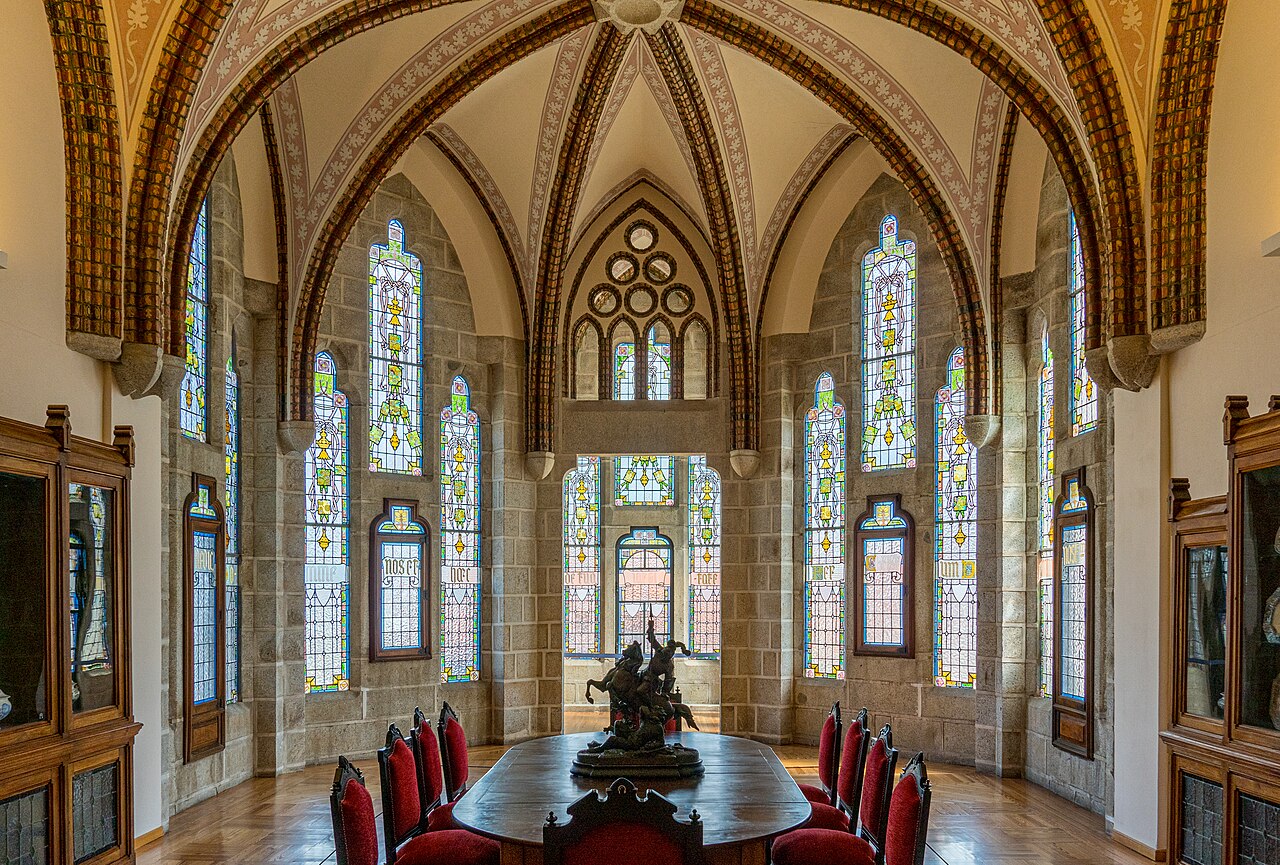
- Large windows flooding the interior with natural light.
- Advanced structural solutions where Gaudí experimented with loads and volumes later perfected in Barcelona.
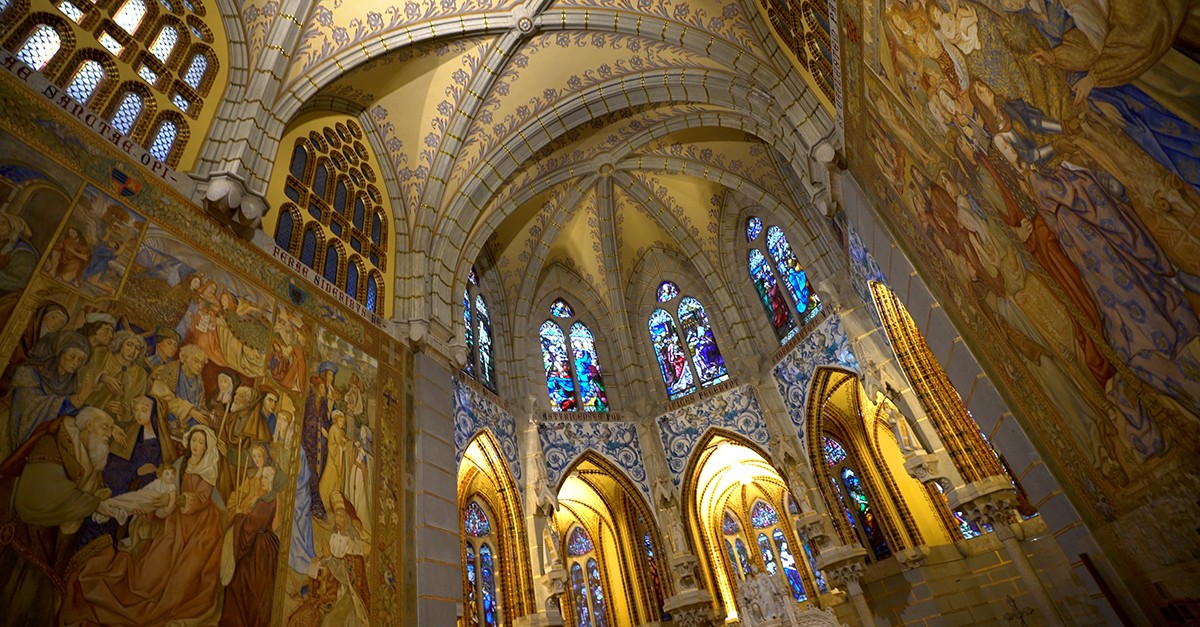
- Integrated chapel coherent with the episcopal function of the building.
Why is it so important?
- It is one of the few Gaudí works outside Catalonia.
- It represents a transitional stage between his early Neo-Gothic and his more personal Modernist style.
- It is integrated into the Jacobean context of the Camino de Santiago.
What can we see during the visit?
- Monumental façade with four towers.
- Main staircase and entrance hall with elegant arches.
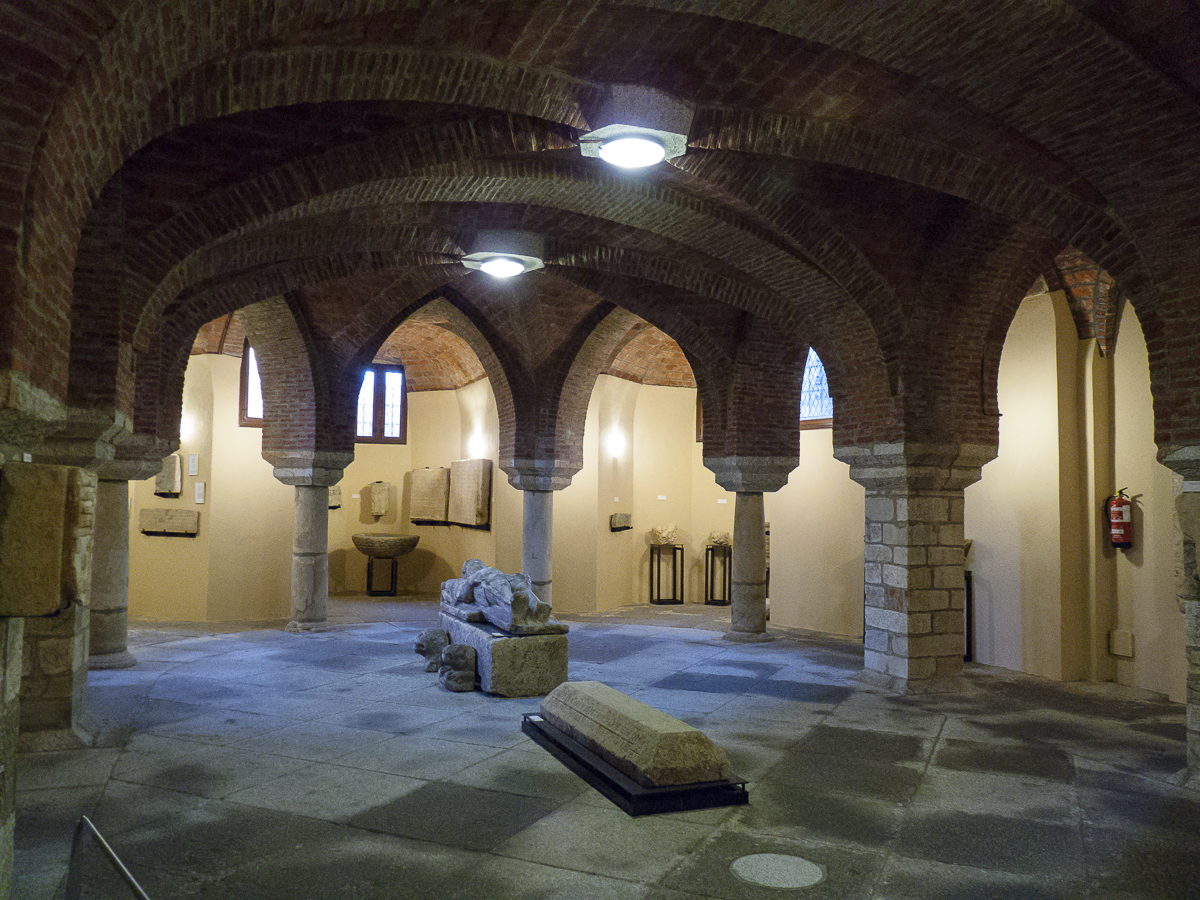
- Historic rooms adapted as exhibition spaces.
- Chapel, sober and symbolic.
- Museum of the Camino with sacred art, medieval sculptures and liturgical objects.
How is the visit organised?
The ticket includes access to the museum and different palace floors. The visit is self-guided, with optional audio guide. It is recommended to allow 1–2 hours.
Where to find schedules and tickets?
The palace is open year-round with seasonal hours. Check the official website of the Episcopal Palace of Astorga or the local Tourist Office.
What else can be seen nearby?
- Astorga Cathedral.
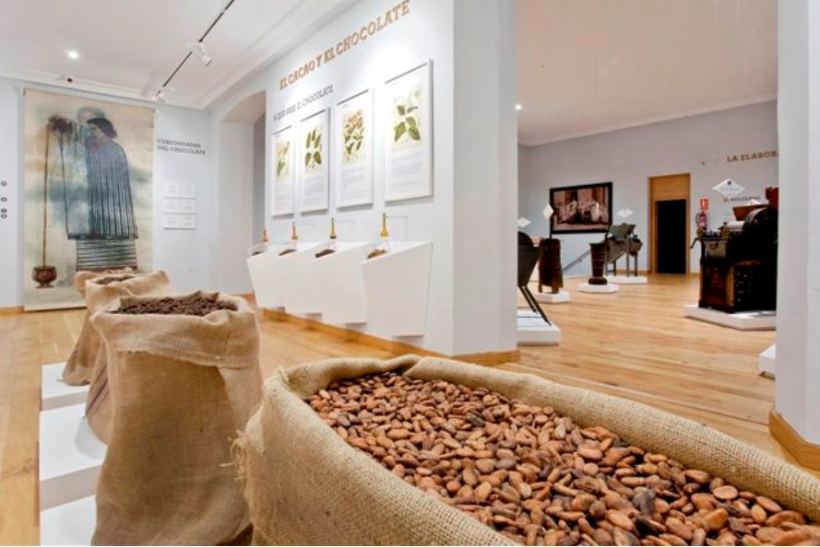
- Chocolate Museum.
- Plaza Mayor of Astorga.
- Roman remains, including baths and museum.
In short, the Gaudí Palace in Astorga is a fascinating work where the Catalan architect reinterpreted Gothic architecture in his own style, creating a building that seems part castle, part temple and part palace.
How to get there
Plaza Eduardo de Castro, 15 24700, Astorga, León
Decimal: 42.457778°, -6.056111°
DMS: 42°27'28" N, 6°3'22" O