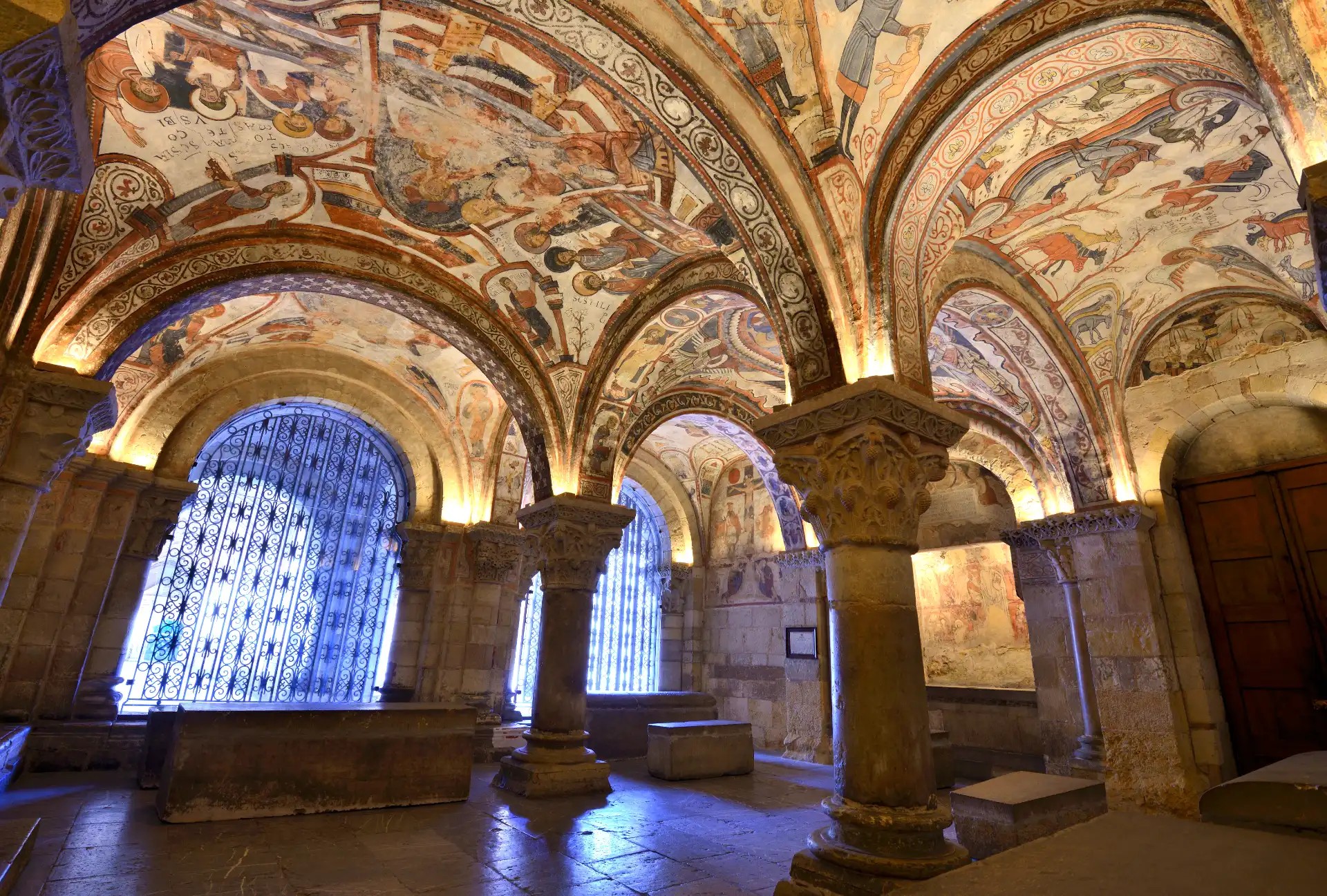
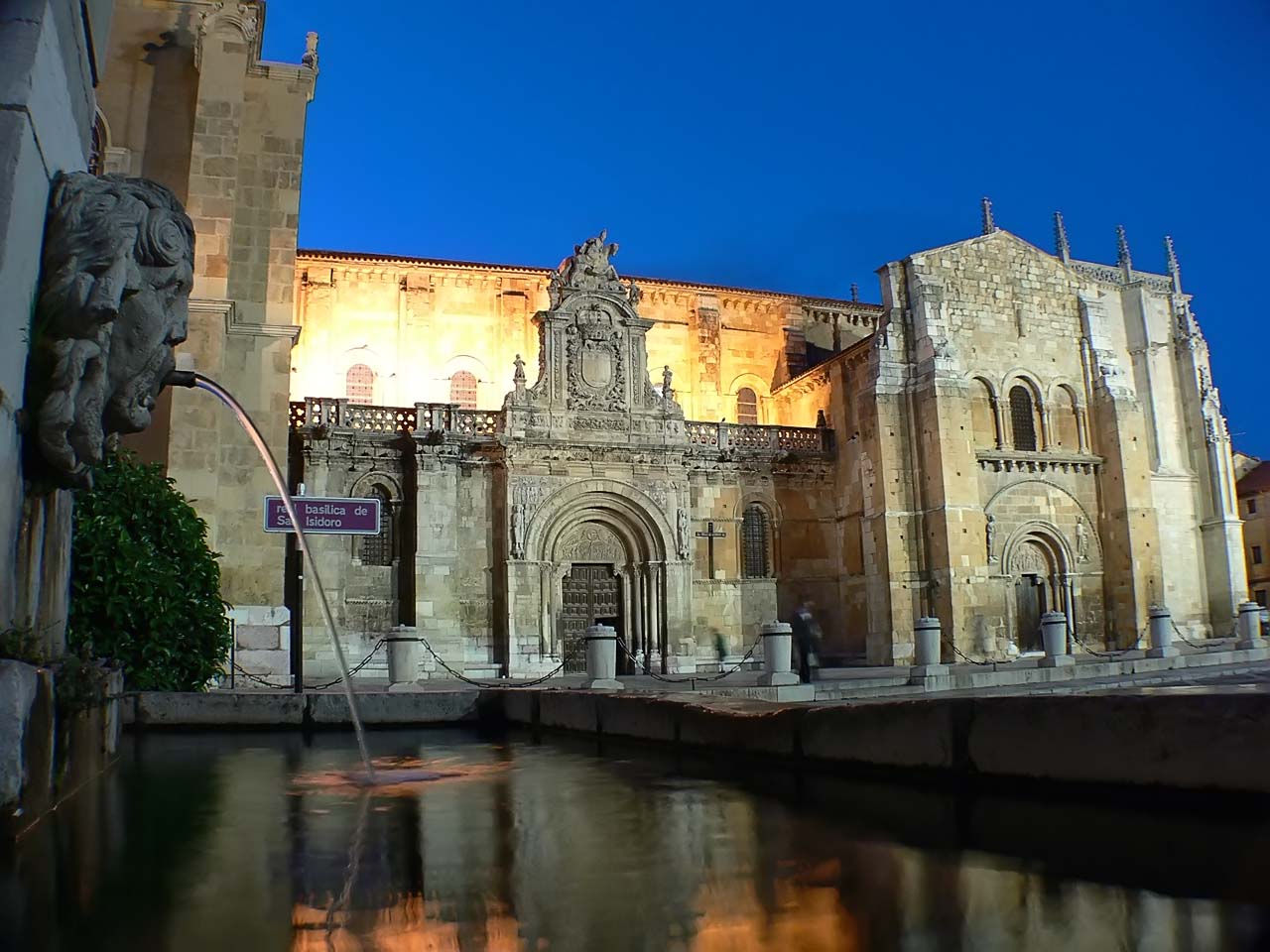
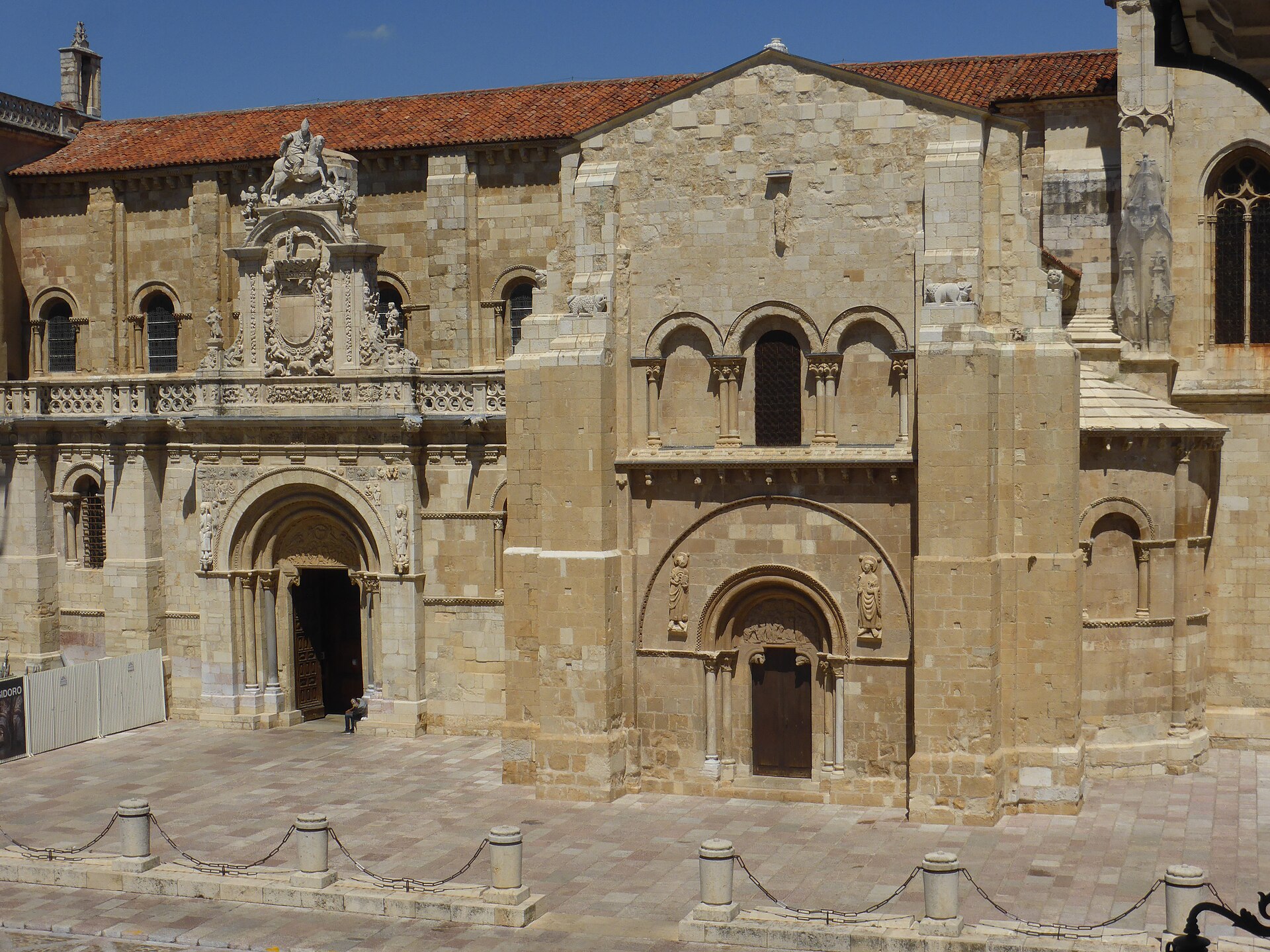
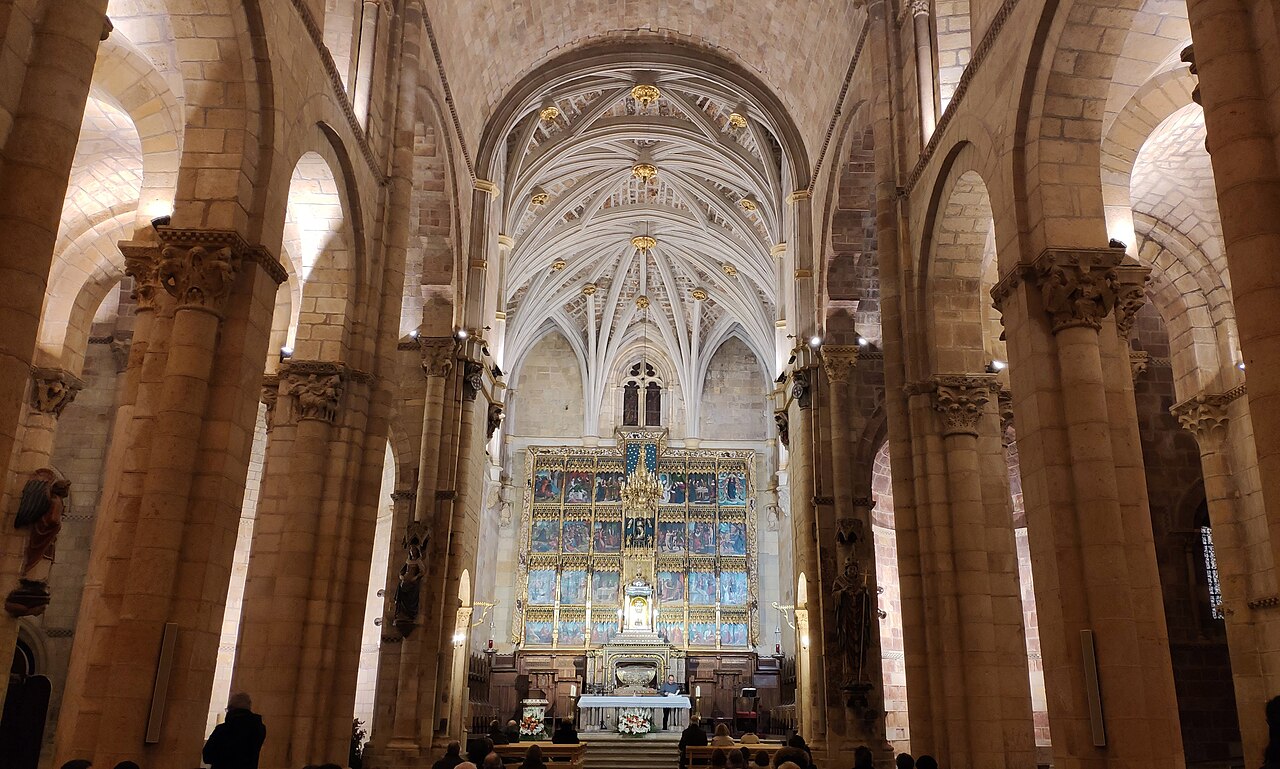
Royal Collegiate Church of San Isidoro, the “Sistine Chapel of Romanesque Art”
Updated on
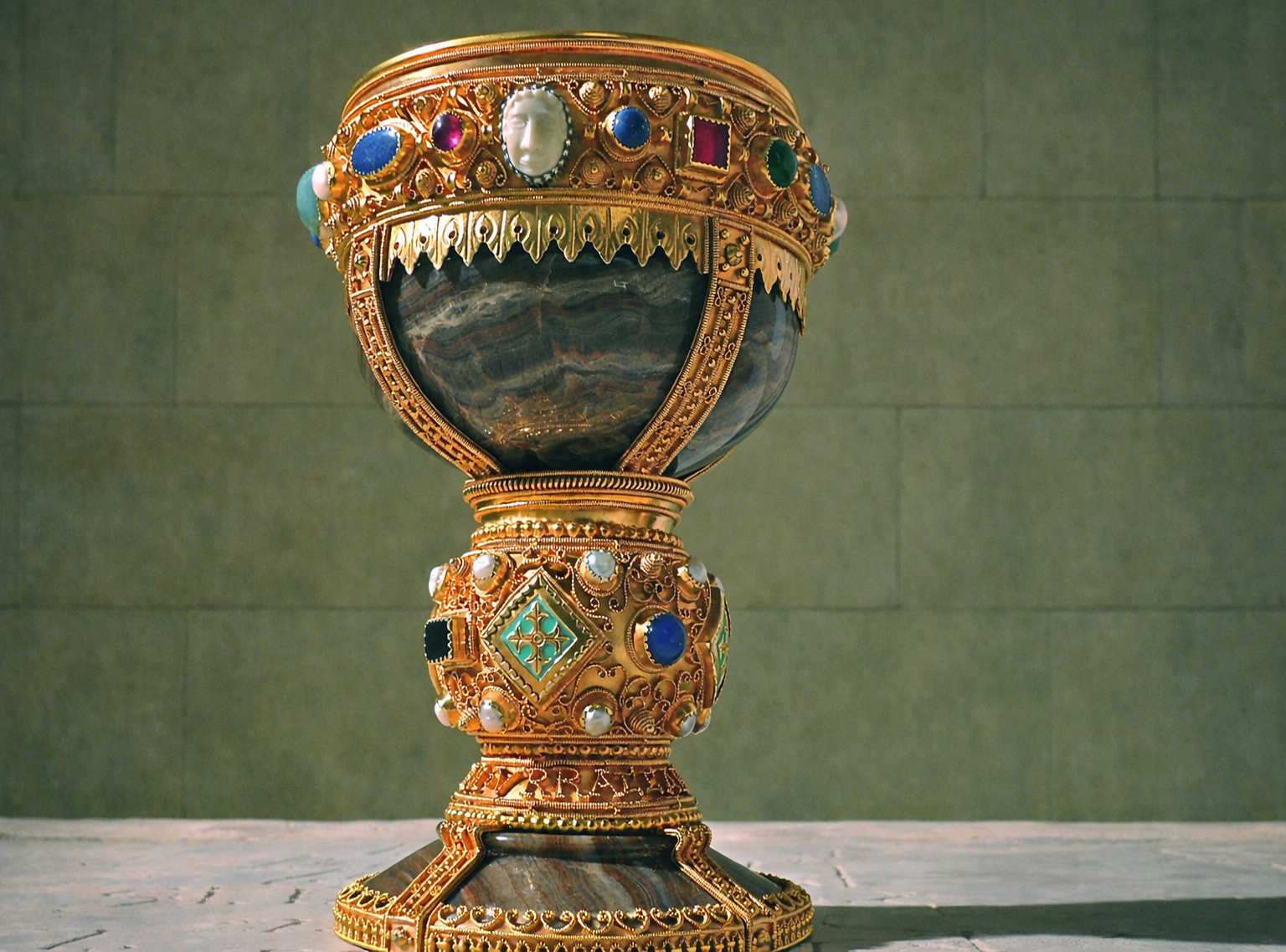
The Royal Collegiate Church of San Isidoro of León is one of the most important Romanesque complexes in Europe. Former seat of the power of the Kingdom of León, it combines church, palace, cloister and museum, and houses unique pieces such as the so-called Chalice of Doña Urraca, which some studies have linked to the Holy Grail, making the site a focus of history, art and mystery.
Where is San Isidoro located?
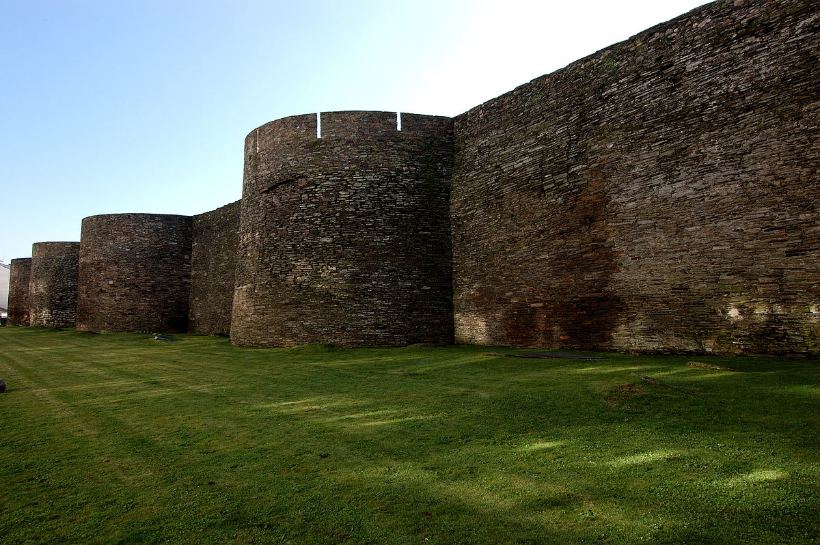
It is located in the historic centre of León, next to the ancient Roman wall, in Plaza de San Isidoro. Its location was strategic: it was the political and religious heart of the Leonese kingdom during the Middle Ages.
When and how was it built?
The origins date back to the 10th century. In the 11th century, King Ferdinand I and Queen Sancha expanded the complex and transferred the relics of Saint Isidore of Seville here. Between the 11th and 12th centuries the Romanesque church, royal pantheon and palace structures were consolidated.
Why is it so important?
- Exceptional Romanesque architecture.
- Royal Pantheon, known as the “Sistine Chapel of Romanesque art”.
- Centre of Leonese royal power.
What can we see?
- Collegiate church.
- Royal Pantheon with 12th-century frescoes.
- Cloister.
- Royal Palace.
- Museum of San Isidoro.
Museum highlights
- Chalice of Doña Urraca.
- Reliquaries, crosses and ivories.
- Codices and textiles.
In short, San Isidoro of León is essential for understanding medieval Spanish history.
How to get there
Plaza San Isidoro, 4, 24003 León
Decimal: 42.600833°, -5.570833°
DMS: 42°36'03" N, 5°34'15" O