The Passage of Joseph Bonaparte, an ancient underground corridor connecting the Royal Palace with Casa de Campo
Updated on
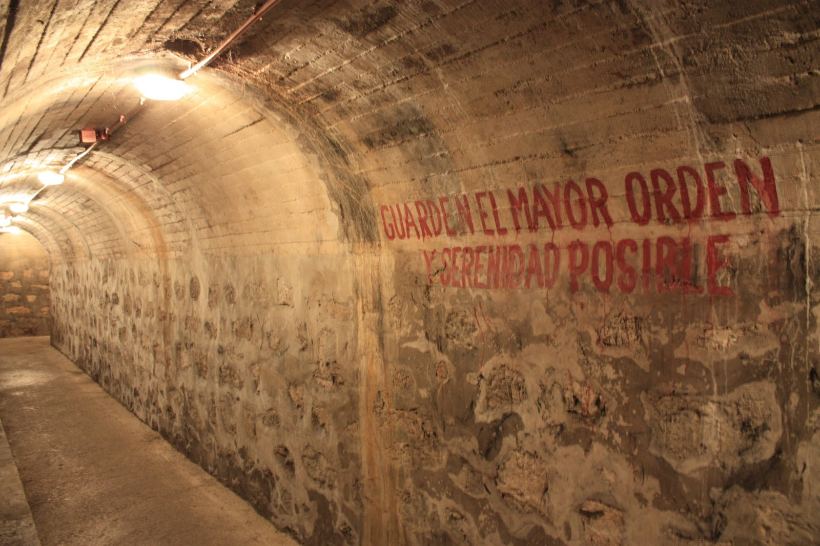
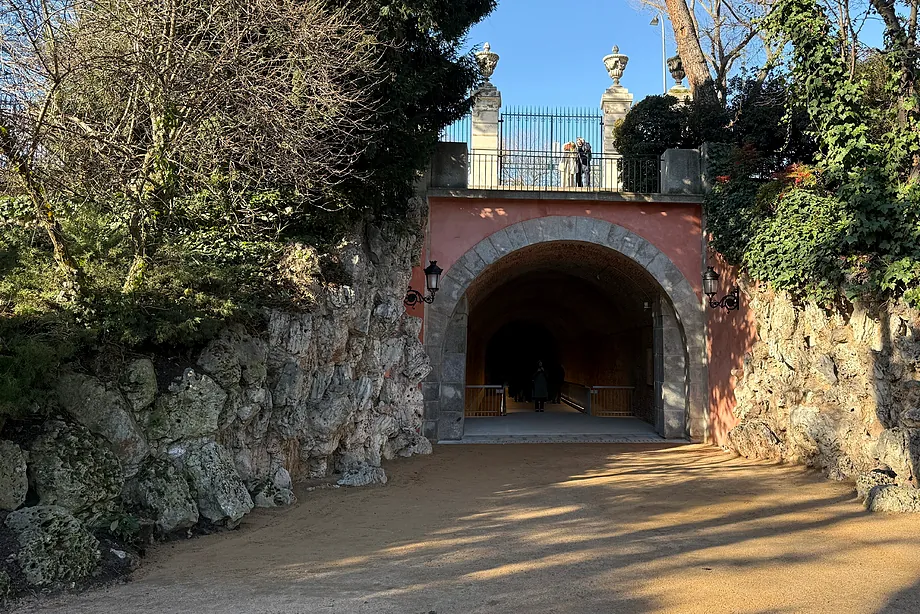
The Secret Tunnel of Villanueva —also known in tradition as the passage of Joseph Bonaparte— is a restored section of an old underground corridor designed in 1809 to discreetly connect the Royal Palace of Madrid with the Casa de Campo. After decades inaccessible, in January 2026 it was restored and opened to the public by Patrimonio Nacional, allowing visitors to walk through a historic gallery full of mystery and Napoleonic history.
Where is the Villanueva tunnel located?
The entrance is next to the Campo del Moro Gardens, in the surroundings of the Royal Palace of Madrid (western side of the monumental complex). The visitable section runs beneath the gardens with entrances signposted from the public paths surrounding the palace and park.
When and how was it built?
Construction began in 1809 under the direction of architect Juan de Villanueva during the reign of Joseph Bonaparte, with the aim of creating an underground route allowing the monarch and court to move between the palace and Casa de Campo without openly crossing the city, in a context of strong social and political tension during the Peninsular War. The tunnel remained unfinished in some phases and, over time, lost continuity and access.
Why is it so important?
- Historical testimony: directly connected with a key episode in Madrid's history —the Napoleonic occupation and the figure of Joseph I— from an urban and defensive perspective.
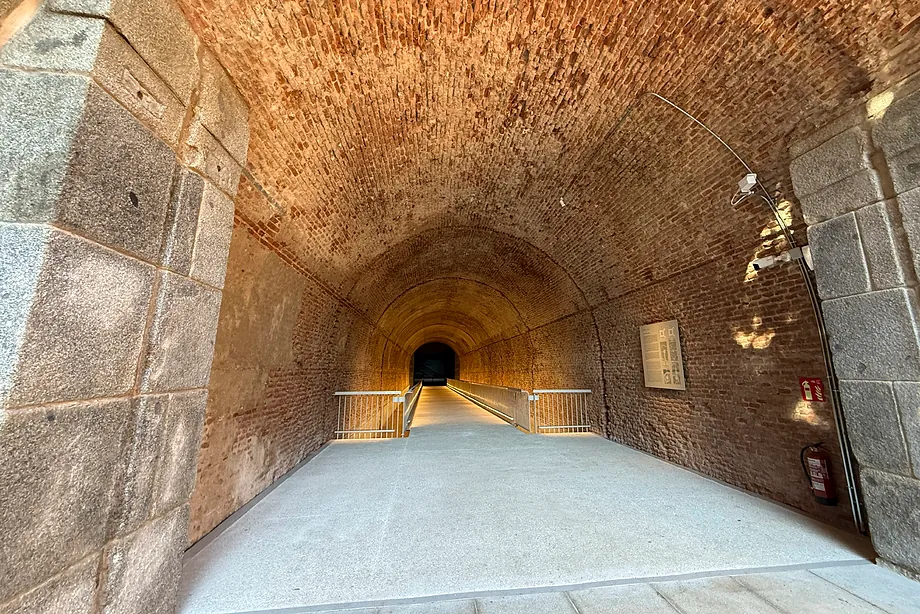
- Underground architecture: vaulted section preserving construction techniques of the period integrated into the heritage complex of the Royal Palace and its gardens.
- Heritage renewal: its reopening in 2026 significantly expands accessible historic spaces in Madrid, adding a new underground itinerary beneath the gardens.
What can we see during the visit?
- Restored gallery with its brick vault and original masonry walls.
- Visitor walkway with lighting and interpretive signage.
- Access points and viewpoints that help imagine the connection with the Palace and Casa de Campo.
- Interpretive panels explaining the route, its historical function and construction techniques.
How is the visit organised?
Entrance to the tunnel is free and operates via direct access from the Campo del Moro Gardens during the opening hours of the outdoor complex. No reservation is required for the visitable section, although Patrimonio Nacional may implement capacity control during peak periods. The visit is on foot, along an accessible marked path; comfortable footwear is recommended and safety instructions should be followed.
Where to find updated information?
Check the website of Patrimonio Nacional or the Madrid Tourist Office for updated schedules of the Campo del Moro Gardens and tunnel access conditions. Interpretive materials and educational resources about the site are usually available there.
What else can be seen nearby?
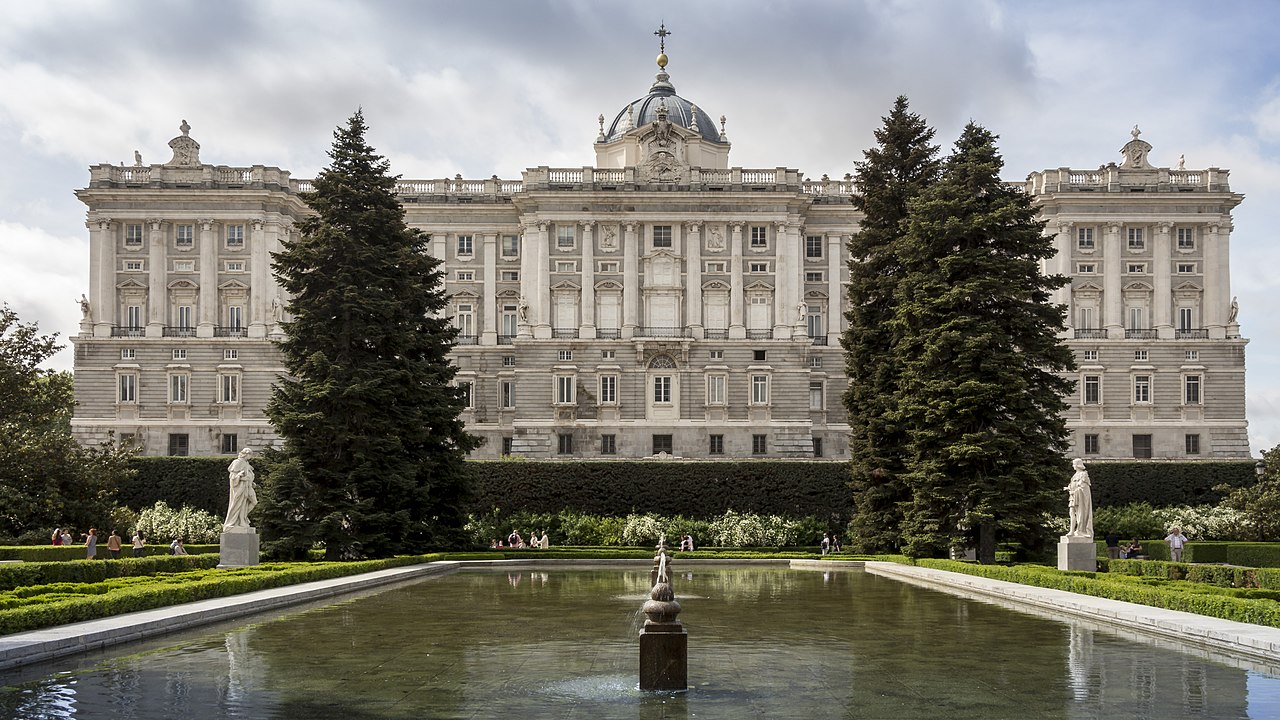
- Royal Palace of Madrid, historic residence with royal halls and collections.
- Almudena Cathedral, just opposite the palace.
- Plaza de Oriente, with gardens and royal statues.
- Teatro Real, only a few metres away.
- Sabatini Gardens, another green space next to the palace.
In summary, the opening of the Villanueva Tunnel offers a unique perspective on early 19th-century Madrid: an underground experience combining heritage, Napoleonic history and hidden architecture, adding a fascinating new chapter to a visit to the Spanish capital.
How to get there
Acceso Principal: Se entra a través de los Jardines del Campo del Moro, situados en la parte trasera del Palacio Real (paseo de la Virgen del Puerto). Metro: La estación más cercana es Príncipe Pío (Líneas 6, 10 y Ramal), desde donde se puede caminar hacia el Paseo de la Virgen del Puerto.
Decimal: 40.418889°, -3.720556°
DMS: 40°25'08" N, 3°43'14" O