The Mesones of Cava de San Miguel: Where to Eat Tortilla, Boquerones and Mushrooms near Madrid’s Plaza Mayor
Updated on
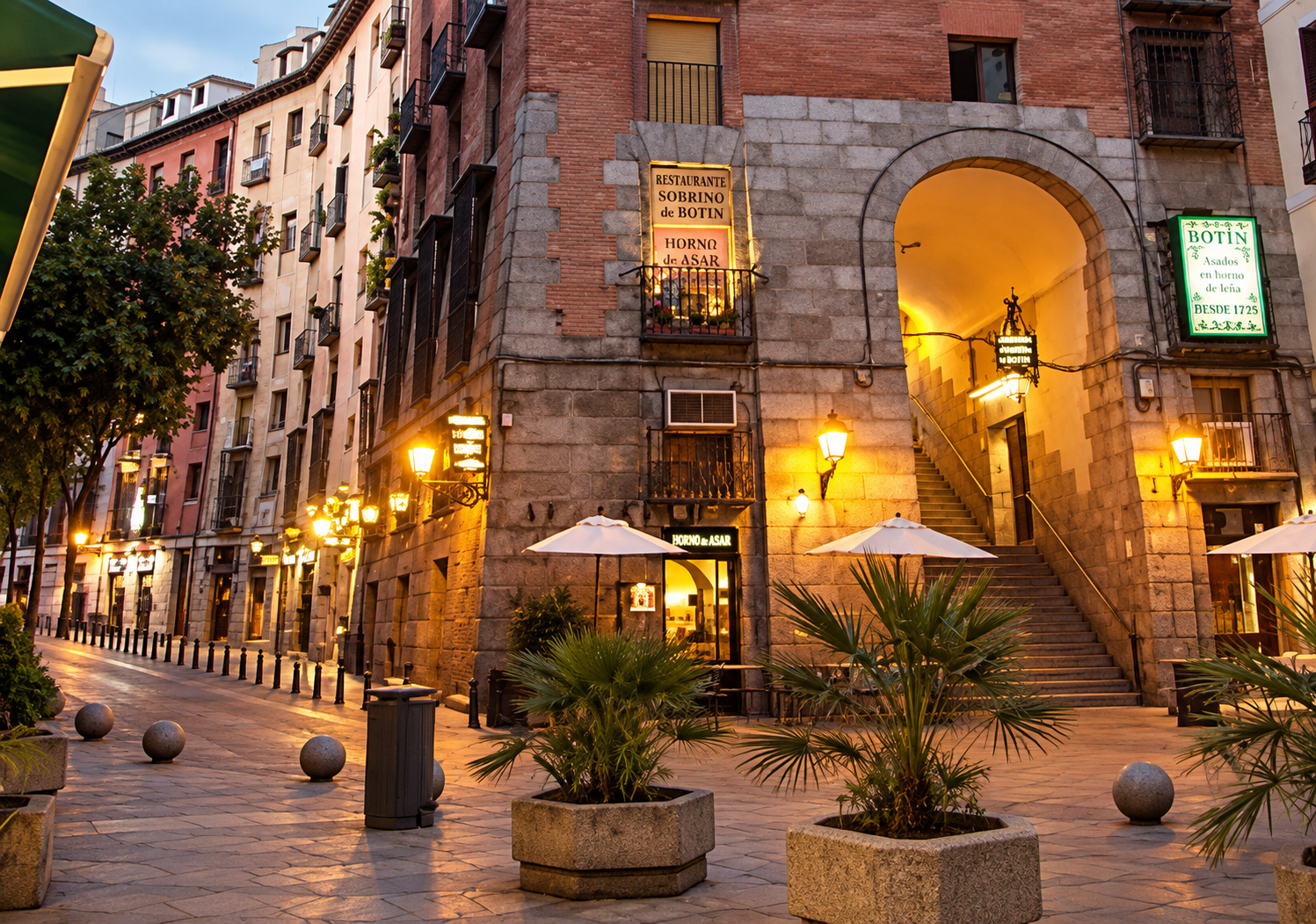
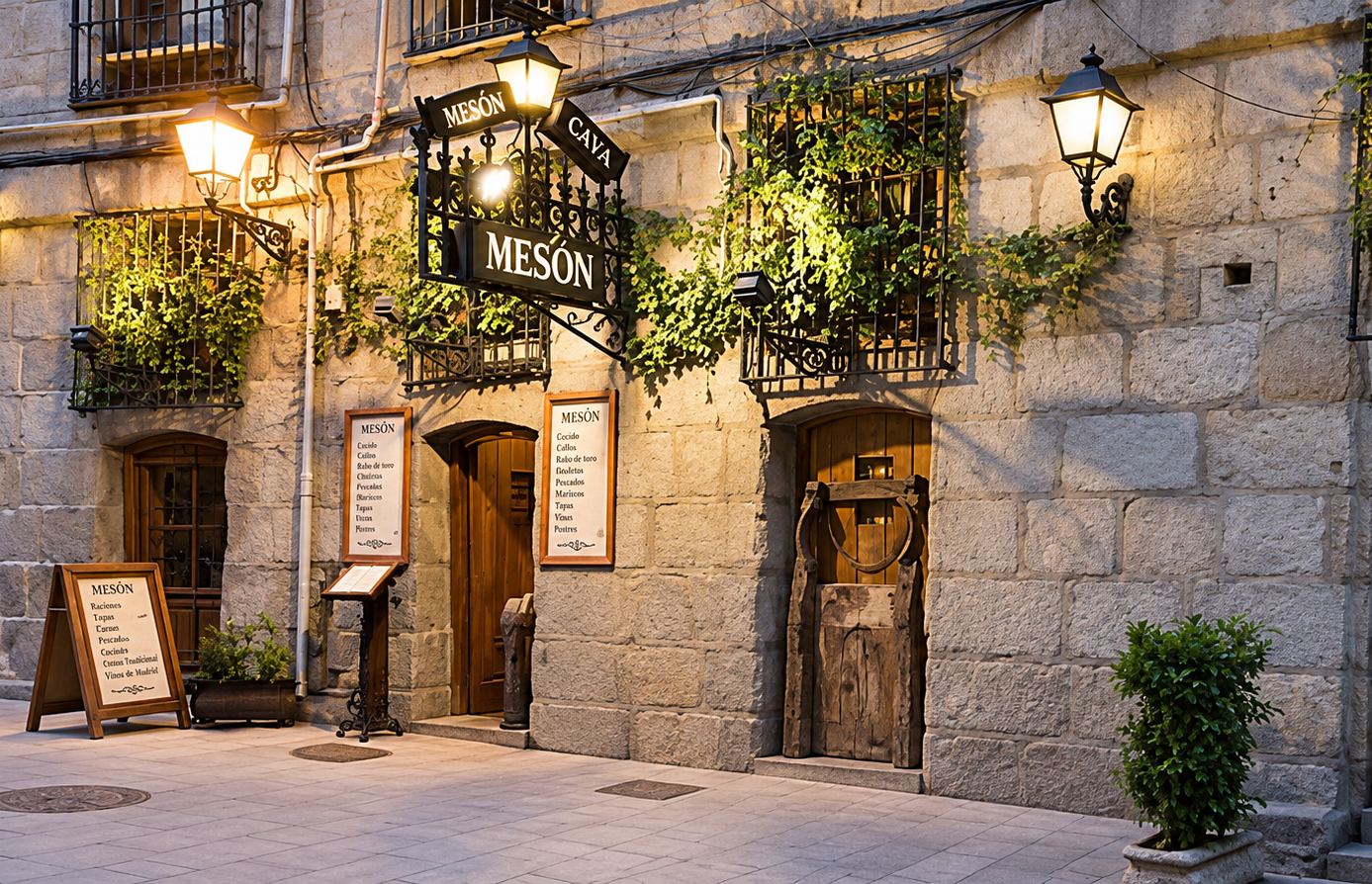
Right in the heart of Madrid, just behind Plaza Mayor, Cava de San Miguel hides one of those places that is well worth discovering, even though it lies in one of the city's most touristy areas. Along just a few metres, several traditional mesones occupy deep vaulted premises, with brick walls, passageways and rooms that feel almost like caves. Many of them opened in the 1960s, and over time each became known for its own particular speciality.
Where is Cava de San Miguel?
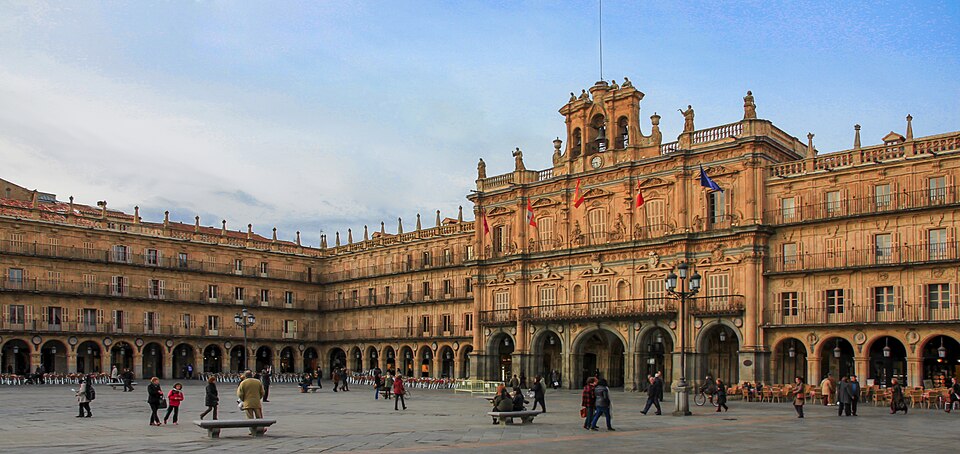
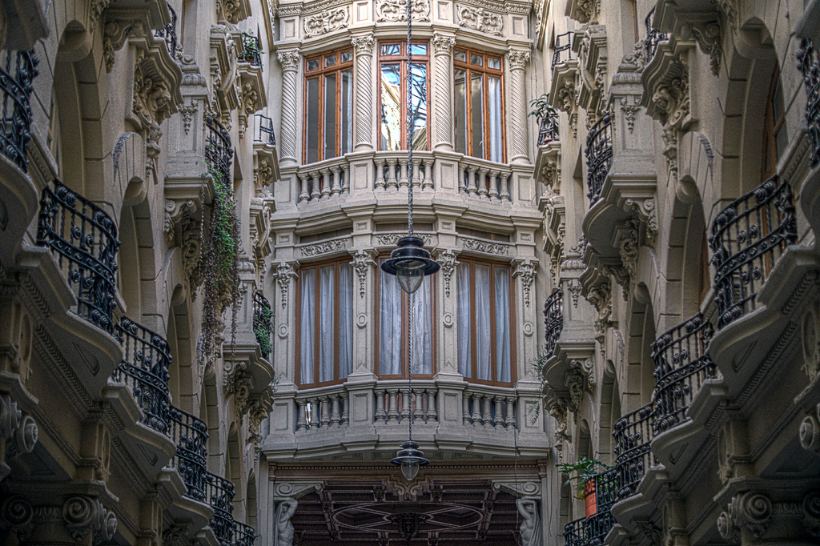
Cava de San Miguel lies in Madrid de los Austrias, immediately behind Plaza Mayor, between Calle Mayor and Calle de Cuchilleros. It is a short, distinctive street, easily recognised by the tall, curved façades of the buildings that support the difference in level between this side of the neighbourhood and Plaza Mayor above.
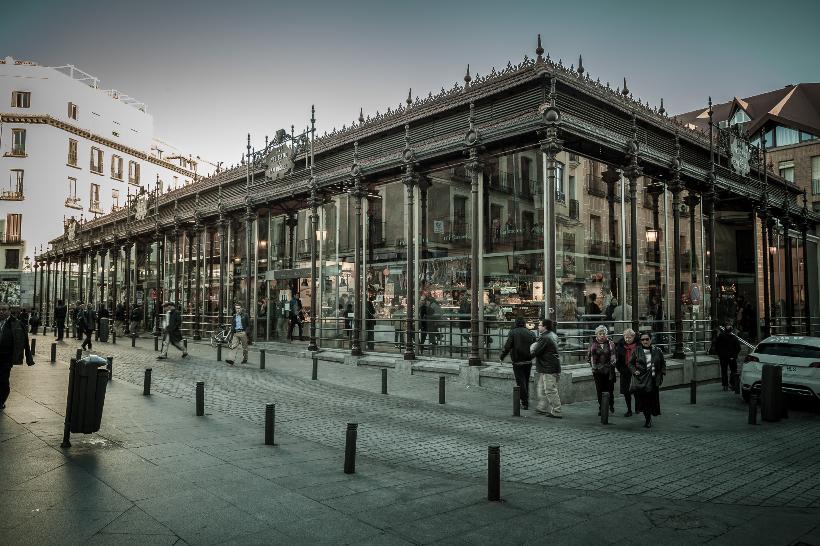
It is only a few minutes' walk from Puerta del Sol, Ópera and Mercado de San Miguel, making it very easy to include in any walk through Madrid's historic centre.
Why is it called Cava de San Miguel?
Long before today's restaurants and mesones existed, the defensive moat of Madrid's old city wall ran through this area. This is where the word «cava» comes from. As the city expanded, the moat was gradually filled in and, from the 16th century onwards, the area eventually became a street.
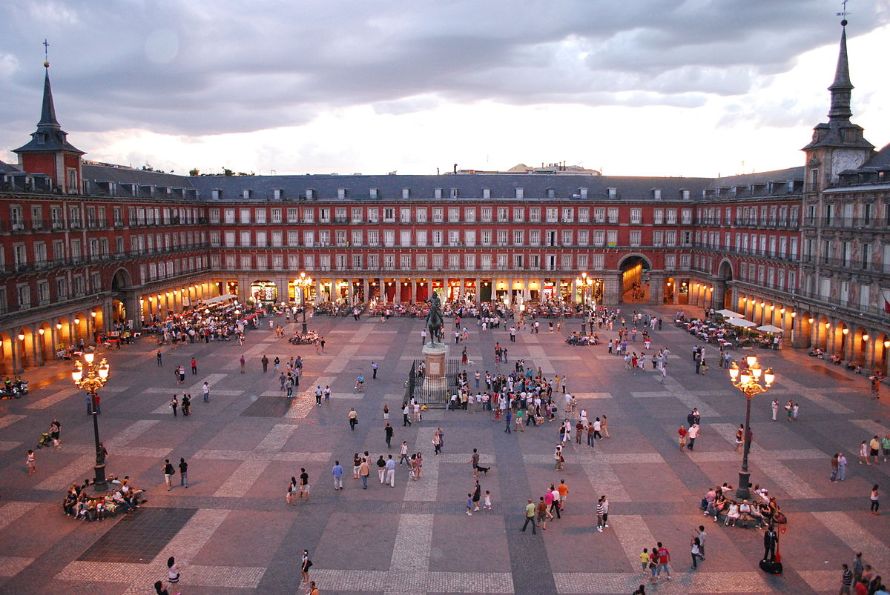
When Plaza Mayor was built and definitively laid out during the 16th and 17th centuries, the buildings on this side had to adapt to the considerable difference in ground level. Their lower floors were formed by massive walls and brick vaults, some of which were used for centuries as storage areas by merchants trading in the nearby square.
How did the famous mesones begin?
During the mid-20th century, many of these former basements and storage spaces began to be converted into restaurants and taverns. Several of the mesones that would eventually make the street famous opened particularly during the 1960s.
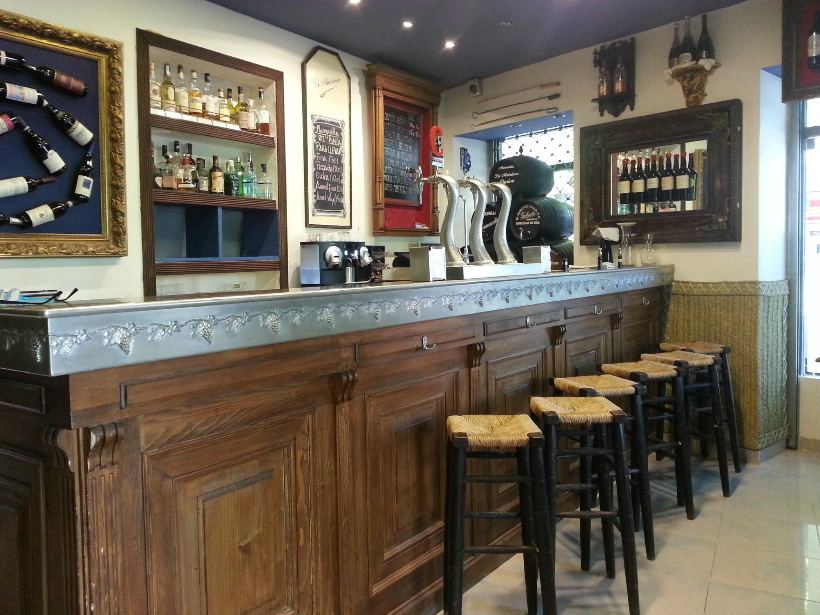
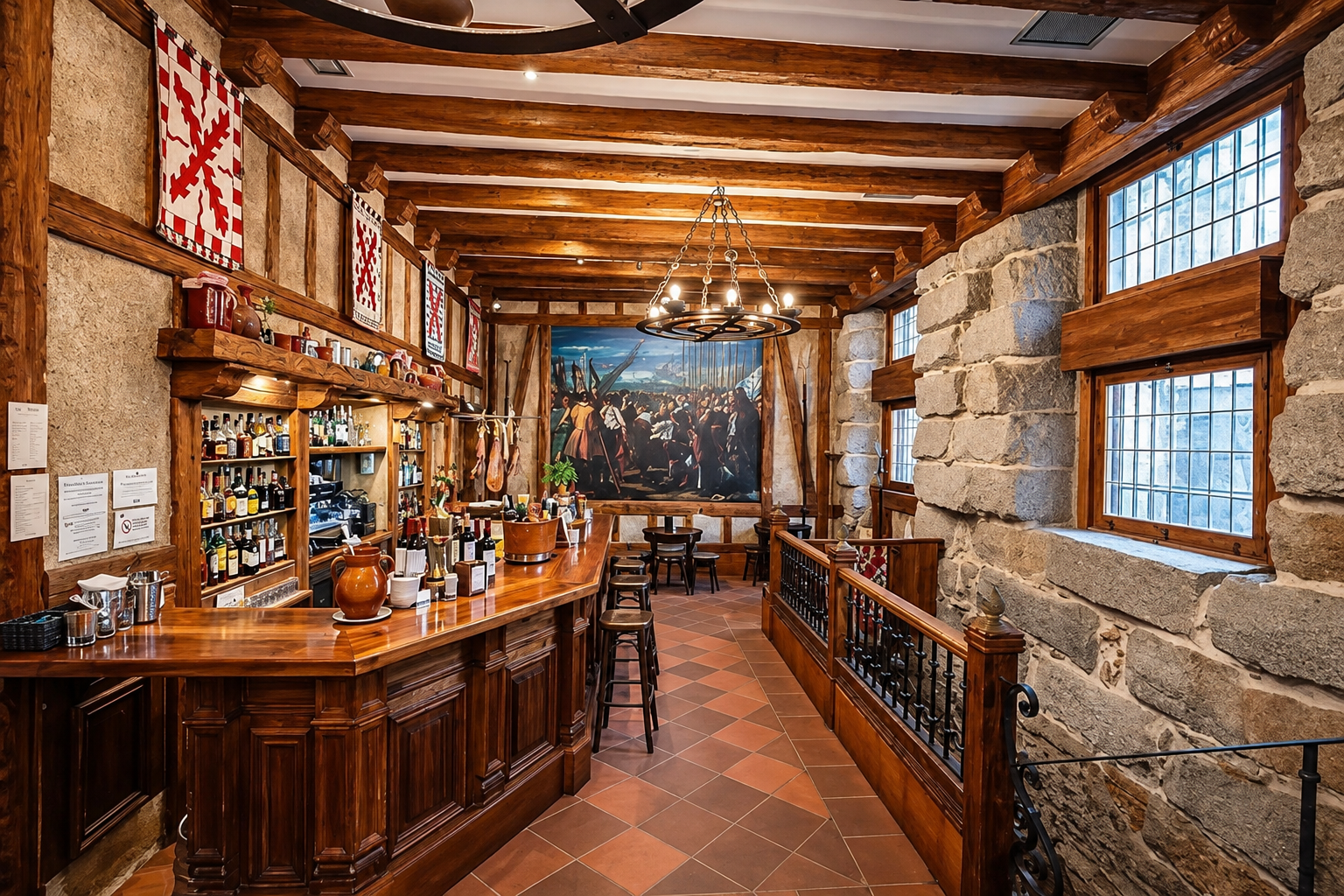
Their success was not due to food alone. Entering them means descending from one of Madrid's busiest streets into underground rooms of brick, stone and wood, with vaulted ceilings, hidden corners and an intentionally traditional Madrilenian décor that in some cases has hardly changed for decades.
Which mesones can we visit?
- Mesón de la Tortilla, opened in 1960 and located at number 15. As its name suggests, its signature dish is Spanish tortilla, freshly prepared and available in several variations.
- Mesón del Boquerón, at number 13, specialises in traditional Spanish cuisine and is particularly known for its anchovies, both fried and marinated in vinegar, together with other tapas and sharing dishes.
- Mesón del Champiñón, founded in 1964 and located at number 17. Its emblematic dish is griddled stuffed mushrooms, a recipe that has been associated with the restaurant for decades.
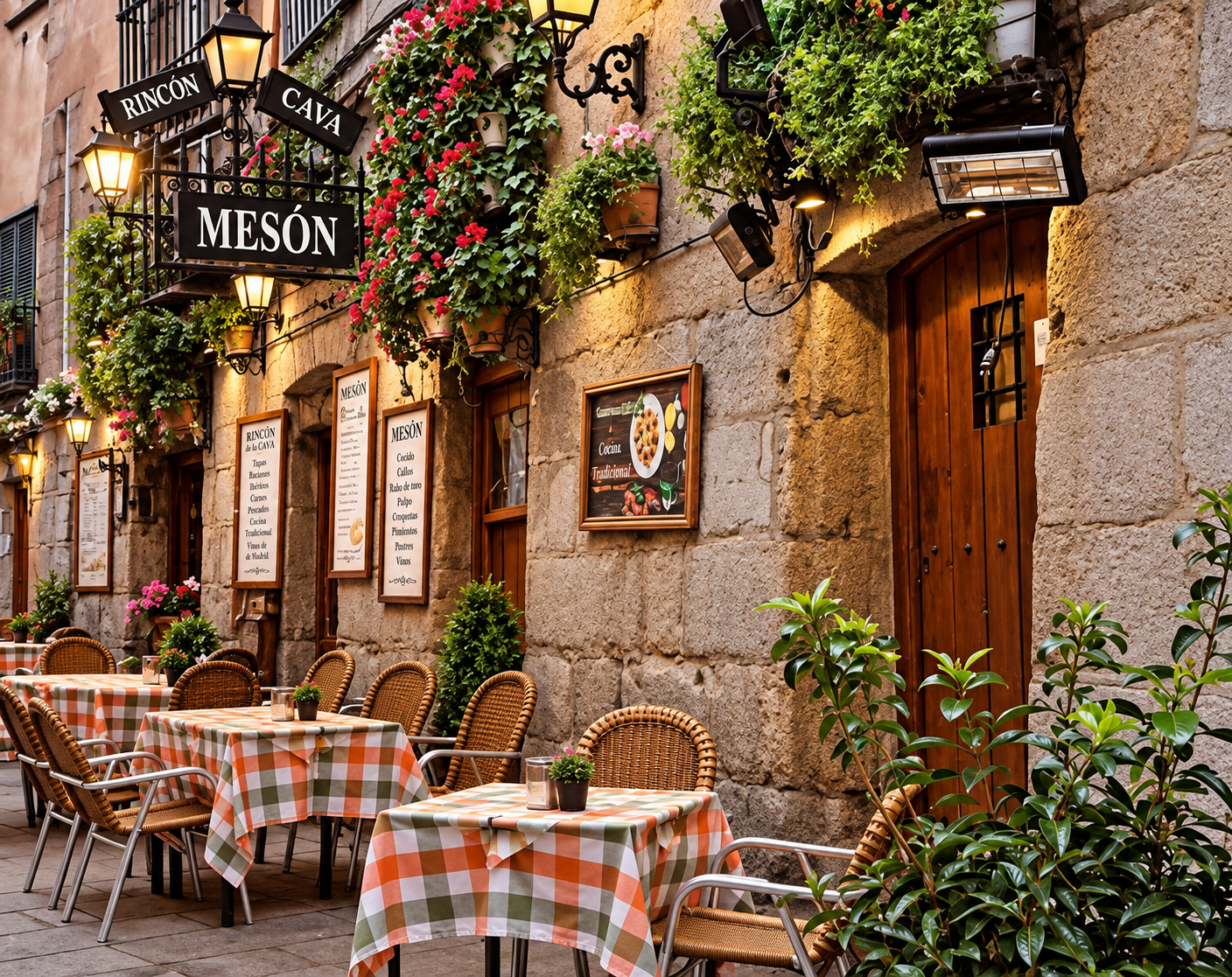
- Rincón de la Cava, also at number 17 and very close to Arco de Cuchilleros. It occupies impressive vaulted premises and offers a broader selection of Spanish cuisine, including Iberian cured meats, meat dishes, Madrid-style tripe, octopus, fried dishes and various plates for sharing.
- Mesón de la Guitarra, another of the historic establishments of Cava de San Miguel, once famous for its music and traditional atmosphere. For many years it was an inseparable part of this route of mesones, although it is currently closed.
What makes their interiors so special?
This is probably the main reason to visit Cava de San Miguel. From the street, some of the premises look surprisingly small, but once through their doors you discover rooms hidden beneath the buildings of Plaza Mayor, with brick vaults, stairways, thick stone walls and décor reminiscent of traditional mid-20th-century Madrid.
They are not natural caves. They are former basements, cellars and storage areas integrated into the historic structures supporting this part of Plaza Mayor. It is precisely this architecture that creates the sensation of entering an underground Madrid that is almost impossible to imagine from the street above.
Is it expensive or cheap?
Cava de San Miguel is right next to Plaza Mayor and receives huge numbers of tourists, but that does not necessarily mean that all its mesones are expensive. In several of the traditional establishments it is still possible to enjoy tortilla, anchovies, mushrooms or sharing plates at fairly reasonable prices considering their location in the very centre of Madrid.
Prices vary considerably from one establishment to another and also depend on whether you order a tapa, a full portion or a complete meal. Rincón de la Cava, with a menu more similar to that of a full restaurant, tends to be somewhat more expensive than the mesones specialising in tapas. In any case, part of the experience is not only what you eat, but also the extraordinary historic setting in which you eat it.
How should we organise the visit?
One of the most enjoyable ways to discover the area is not to choose just one restaurant. Instead, you can create your own small mesón-to-mesón route: tortilla in one, anchovies in another and mushrooms in the next, accompanying each stop with a beer, wine or vermouth.
The important thing is to go inside rather than simply sitting on the outdoor terraces. Much of the charm lies precisely in descending into the interior rooms and exploring these vaulted spaces. Weekends and normal lunch and dinner times can be very busy, so weekdays or earlier hours offer a quieter experience.
Is it worth visiting even though it is touristy?
Yes. This is one of those places where the presence of tourists should not be a reason to stay away. Its proximity to Plaza Mayor inevitably makes it a heavily visited area, but these mesones have been part of the gastronomic and popular character of central Madrid for decades, and their interiors retain a personality that is difficult to find in modern restaurants.
Do not come expecting haute cuisine or a secret corner unknown to visitors. The appeal lies precisely in enjoying a very Madrilenian tradition: lively taverns, simple tapas, wine, brick walls and an atmosphere that seems to have remained almost unchanged for several decades.
What else can we see nearby?
- Plaza Mayor, located literally above some of these mesones.
- Arco de Cuchilleros, one of the most characteristic entrances to Plaza Mayor and located at the end of Cava de San Miguel.
- Mercado de San Miguel, only a few steps away and now one of Madrid's best-known gastronomic markets.
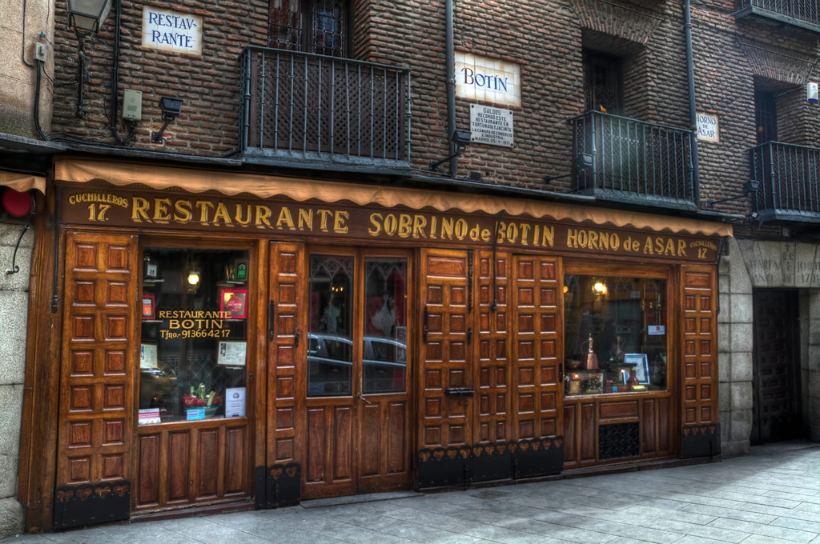
- Calle de Cuchilleros, another historic street of Madrid de los Austrias, home to traditional restaurants and century-old establishments.
- Plaza de la Villa, one of the best-preserved historic architectural ensembles in central Madrid.
- Puerta del Sol, just a few minutes away on foot.
In short, Cava de San Miguel and its mesones offer an experience that is difficult to separate from the history of central Madrid itself. You may come for the tortilla, anchovies or mushrooms, but what you will probably remember most is eating beneath huge brick vaults, inside former cellars hidden underneath Plaza Mayor, in a small corner of traditional Madrid that still survives in the very heart of the city.
How to get there
Decimal: 40.415000°, -3.708056°
DMS: 40°24'54" N, 3°42'29" O